What Is Earnest Money? A Complete Guide for DMV Homebuyers
You found the house. Your agent says it's time to write the offer — and somewhere in the paperwork, there's a line for "earnest money deposit."
You've heard the term. You're pretty sure it involves actual money. But how much? And what exactly are you committing to?
This is the question I get from first-time buyers in Virginia, Maryland, and DC all the time. Let's clear it up.
---
What Is Earnest Money?
Earnest money is a good-faith deposit you put down when you submit an offer on a home. It tells the seller: *I'm serious. I'm not here to waste your time.*
The deposit is typically held in an escrow account — usually by the title company — until closing. If the deal goes through, that money gets credited toward your down payment or closing costs. You're not paying extra; it's just moving from your pocket into the transaction earlier.
Think of it as your skin in the game.
---
How Much Earnest Money Is Standard in the DMV?
This varies by market, and the DMV is competitive enough that the number actually matters.
In Northern Virginia: Expect to put down 1%–3% of the purchase price in most markets. On a $700,000 home, that's $7,000–$21,000. In high-demand areas like Arlington, McLean, or Falls Church, sellers notice stronger deposits.
In Maryland (Montgomery County, Prince George's County): Similar to NoVA — typically 1%–3%, sometimes higher in tight inventory situations.
In Washington, DC: DC contracts often see 1%–5% deposits, particularly in neighborhoods like Capitol Hill, Georgetown, and Shaw where bidding wars are common.
Your agent should tell you what's typical for the specific price range and neighborhood you're targeting. A $5,000 deposit on a $900,000 offer in Vienna isn't going to impress anyone.
---
Who Holds the Earnest Money?
In the DMV, earnest money is almost always held in escrow by one of these parties:
- The title company (most common in Virginia and Maryland)
- The buyer's agent's brokerage (escrow account)
- An attorney (common in some DC and Maryland transactions)
- The seller's brokerage (less common, but it happens)
Virginia and Maryland require that escrow funds be deposited promptly — typically within a few days of contract ratification. Your title company will provide wire instructions or accept a check, depending on the agreed method.
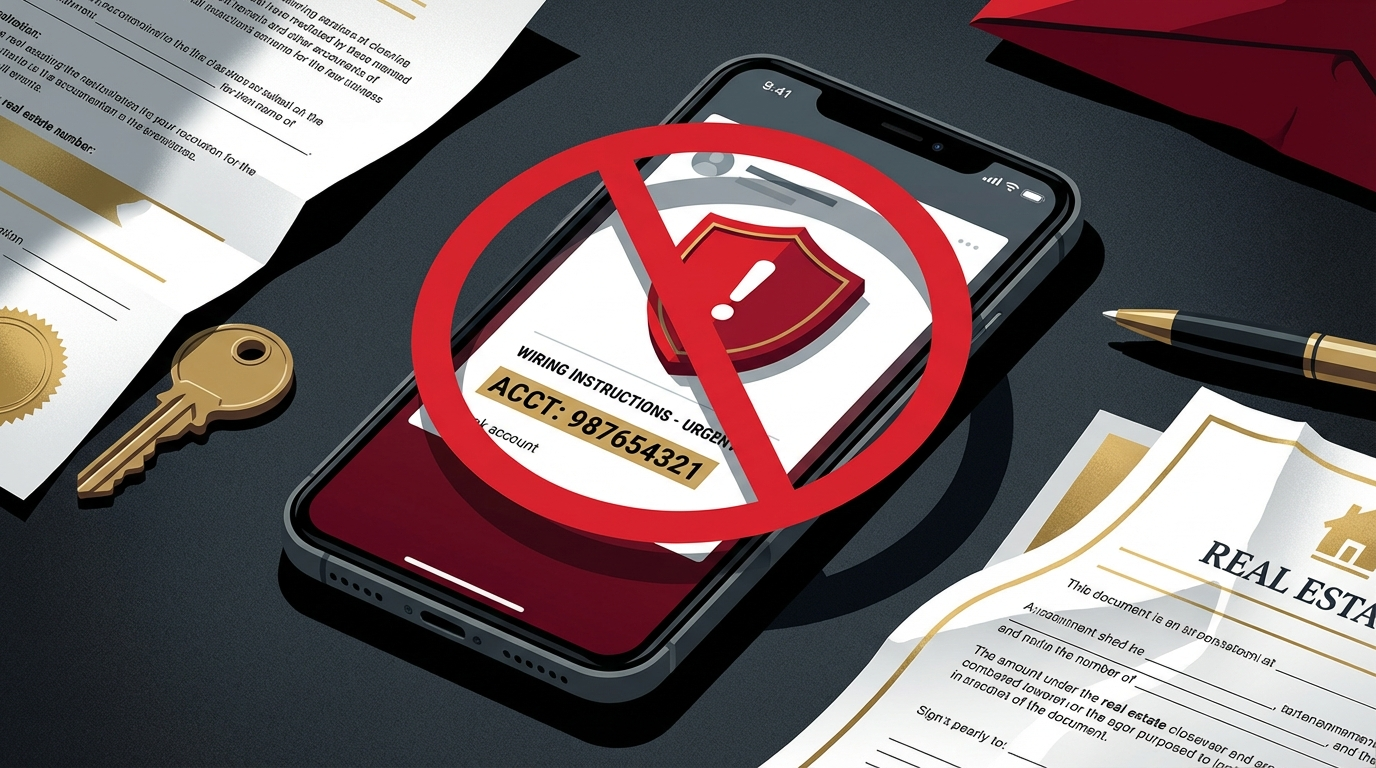
Important: Never wire earnest money without verifying instructions directly with your title company by phone. Wire fraud targeting real estate transactions is real, and the DMV market is not immune.
---
Can You Get Your Earnest Money Back?
Yes — but only if you have the right contingencies in place.
Here's how it breaks down:
You get it back if:
Home inspection contingency is in your contract — You order the inspection, something significant comes up, and you exercise the contingency to cancel within the deadline. Your deposit comes back.
Financing contingency protects you — If you can't secure your mortgage despite good-faith efforts, the financing contingency lets you exit and recover your deposit.
Appraisal contingency triggers — The home appraises below purchase price, you can't close the gap, and you elect to cancel within the appraisal deadline.
The seller defaults or can't perform — Title comes back cloudy, the seller can't close, or some material breach occurs on their end. You get your deposit back and potentially more.
You lose it if:
You back out without a valid contingency — You get cold feet after your inspection and financing contingencies have already been removed. The seller typically gets to keep the deposit as liquidated damages.
You miss a contingency deadline — In Virginia especially, deadlines in the contract are real. Miss your inspection deadline without requesting an extension? That contingency may be considered waived.
You commit fraud or misrepresent your qualifications — Rare, but it happens.
---
Earnest Money vs. Down Payment: What's the Difference?
Easy confusion, especially for first-time buyers.
| | Earnest Money | Down Payment |
|---|---|---|
| When paid | With your offer | At closing |
| Where it goes | Escrow account | Directly to closing |
| Purpose | Shows good faith | Equity you're bringing to the deal |
| Amount | 1–3% (typical DMV) | 3–20%+ of purchase price |
The earnest money gets applied toward your down payment or closing costs at settlement. It's not an additional cost — it's an early payment.
---
How Does Earnest Money Work at Closing?
On settlement day, your title company reconciles everything. The earnest money you deposited weeks ago gets credited to your side of the ledger.
If you're putting 10% down on a $600,000 home ($60,000), and your earnest money deposit was $6,000, you bring the remaining $54,000 — plus your closing costs — to the table at settlement.
The title company's job is to make sure that accounting is clean and accurate. This is why your settlement statement (the Closing Disclosure) will show a line item for "earnest money deposit" as a credit to the buyer.
---
Tips for Protecting Your Earnest Money Deposit
1. Never waive contingencies casually. In competitive markets, buyers sometimes waive inspection or financing contingencies to win. Understand exactly what you're giving up before you do.
2. Know your deadlines. Virginia contracts are deadline-driven. If your inspection contingency expires on Day 7 and you haven't acted, you may have lost your protection.
3. Use a reputable title company to hold escrow. Your earnest money should be in a neutral, insured escrow account — not a random account you can't verify.
4. Get the release in writing. If you cancel under a contingency, make sure both parties sign a written release of the earnest money before you consider it done.
5. Verify wire instructions by phone. Always. Every time. Without exception.
---
Frequently Asked Questions About Earnest Money
Is earnest money required to buy a home?
Technically no, but practically yes. An offer without a deposit will be treated skeptically, especially in competitive DMV markets. Some sellers won't consider it.
Can the seller keep my earnest money if they cancel?
Generally no. If the seller cancels the contract without cause, the buyer is entitled to the deposit back — and potentially damages beyond that, depending on the contract terms.
When is earnest money due after an offer is accepted?
In Virginia, the contract will specify — typically 3–5 business days after ratification. Don't miss this deadline.
Does earnest money earn interest?
Sometimes. Depending on the escrow arrangement and the amount involved, there may be interest earned. This is typically addressed in your purchase contract.
What happens to earnest money if a dispute arises?
In contested situations, the escrow holder (often the title company) cannot release funds without mutual written consent or a court order. Disputes can take time to resolve.
---
The Bottom Line
Earnest money is one of those things that seems complicated but isn't, once you understand what it's for. It's your good-faith signal to the seller, held safely in escrow, and credited to your costs at closing.
The key is knowing your contingencies, meeting your deadlines, and working with a title company you trust to hold the funds properly.
Have questions about how earnest money works in your specific transaction? That's exactly what we're here for.
Ready to Get a Title Quote?
Pruitt Title serves buyers, sellers, and lenders across Virginia, Maryland, and Washington, DC. We make closing simple.