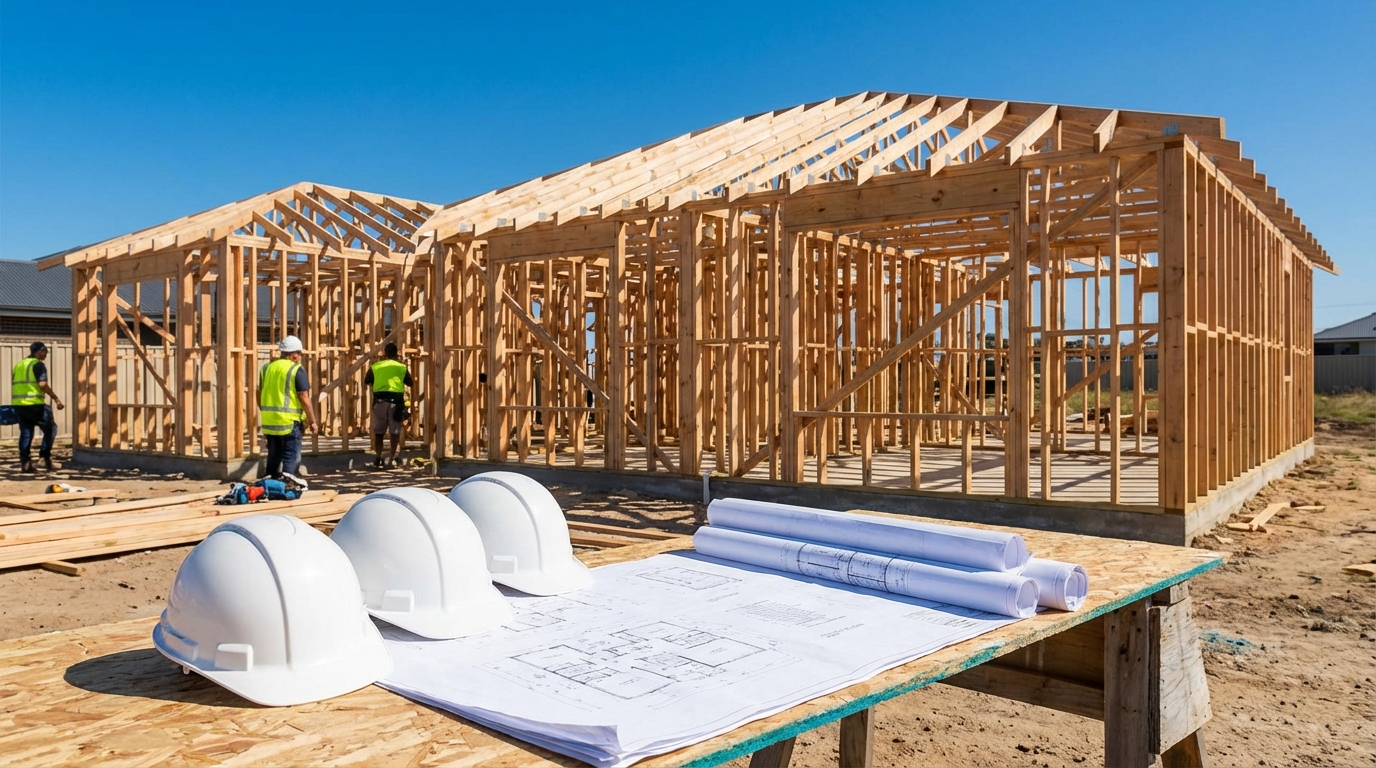
New construction closings are more complex than resales. Learn how title companies protect buyers, builders, and lenders in new construction transactions across the DMV.
New Construction Isn't Like a Resale — Your Title Company Needs to Know the Difference
Buying a brand-new home sounds simpler than a resale. No previous owners, no mysterious history, nothing to untangle.
In reality, new construction transactions are often more complex from a title perspective — not less.
The Builder Controls More Than You Think
In a new construction sale, the builder typically wants to use their preferred title company. They'll present this as standard or even required. It's not required — in Virginia, Maryland, and DC, buyers have the right to choose their own title company.
The question buyers should ask: who does that title company work for? In affiliated arrangements, the title company may have a financial relationship with the builder. Their incentive is to keep the builder happy and close deals quickly — not necessarily to advocate for the buyer.
An independent title company's loyalty is to you.
What the Title Search Looks Like on New Construction
On a resale, the title search looks back through the chain of title — often 40–60 years — to find any outstanding liens, easements, or encumbrances.
On new construction, the chain of title is shorter, but the risks are different:
Mechanics' liens. Any contractor, subcontractor, or supplier who worked on the property and wasn't paid can file a mechanics' lien against the property. This is surprisingly common in large developments where payment disputes between the builder and subs go unresolved.
Lot-level title issues. The land the house sits on has a history even if the house is brand new. Are there easements for utilities, drainage, or access?
HOA and covenants. New construction communities almost always have HOAs with governing documents and CC&Rs. These run with the land and bind every owner.
Construction loan payoffs. The builder funded construction with a loan. Before title can transfer to you free and clear, that construction loan must be paid off and released.
The Mechanics' Lien Risk in Northern Virginia
Virginia's mechanics' lien laws are powerful — contractors who aren't paid can file liens against property even after closing if the work was done within a statutory period.
This is one of the strongest arguments for purchasing owner's title insurance on new construction, even though the property is brand new. Owner's title insurance protects you against mechanics' liens that arise from work done before closing.
The Builder Incentive Package and Title
Builders often offer closing cost incentives tied to using their preferred lender and title company: "Use our lender and we'll give you $10,000 toward closing costs."
This is legal. But read the fine print carefully. The savings on closing costs may be offset by a slightly higher interest rate or higher title fees. Run the numbers — don't just take the incentive at face value.
What to Bring to the Table as a Buyer's Agent
If you're representing a buyer in a new construction transaction:
- Advise your client that they can choose their own title company.
- Get the builder's title company's fee sheet and compare it.
- Make sure mechanics' lien protection is addressed through owner's title insurance.
- Review the CC&Rs and HOA documents before closing, not after.
New construction is one of the most active segments in the DMV market. Agents who understand the title side of these transactions add real value and protect their clients from risks that can surface years later.
Ready to Get a Title Quote?
Pruitt Title serves buyers, sellers, and lenders across Virginia, Maryland, and Washington, DC. We make closing simple.