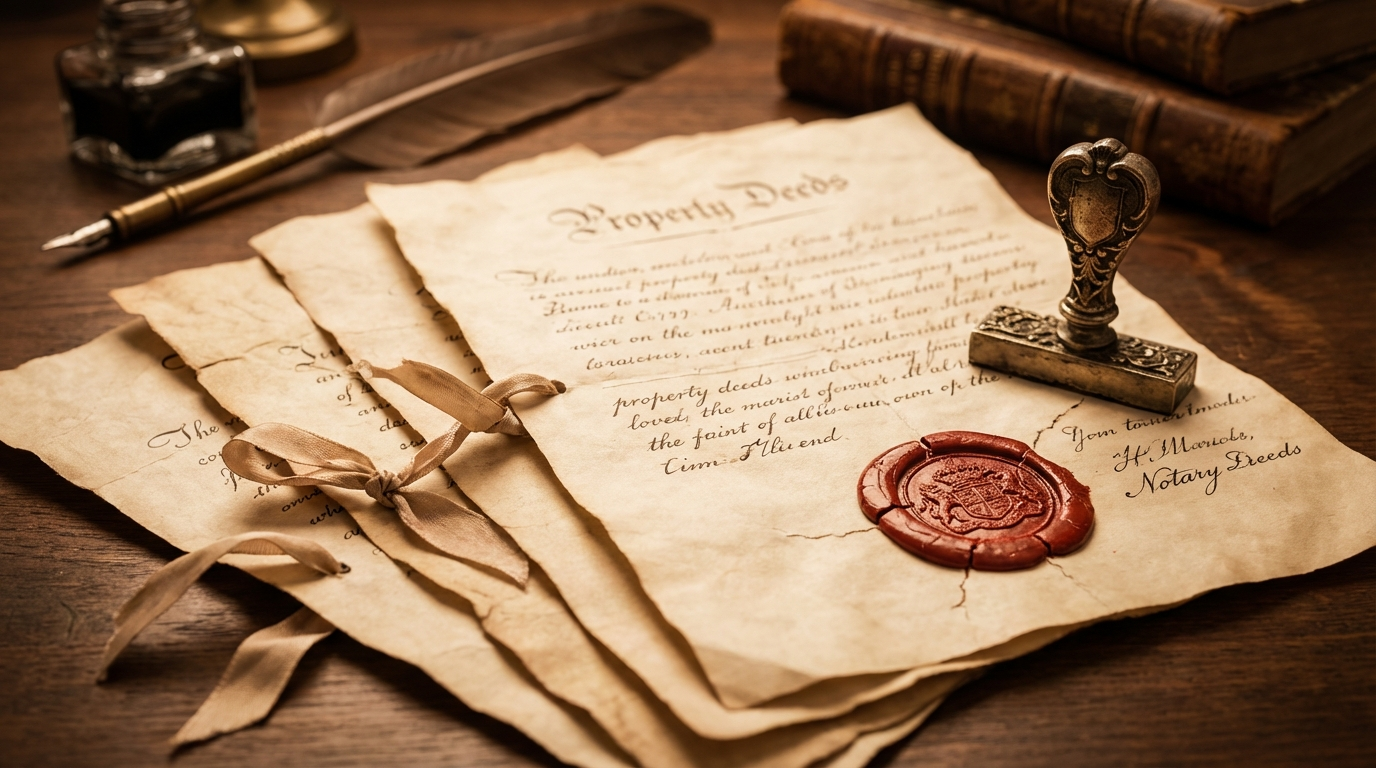
Not all deeds are created equal. Understanding the differences between general warranty, special warranty, quitclaim, and bargain and sale deeds is essential for any real estate professional.
Why the Type of Deed Matters
Most buyers don't think much about the deed until they're signing it at the closing table. But the type of deed you receive — and what it does or doesn't promise about title — matters for your ownership.
Here's a plain-English explanation of the main deed types you'll encounter in Virginia, Maryland, and DC real estate transactions.
The General Warranty Deed
The gold standard. When you receive a general warranty deed, the seller is making the broadest possible promises about the title.
A general warranty deed includes covenants that:
- The seller actually owns the property and has the right to convey it
- The buyer will have peaceful possession without interference
- The title is free from encumbrances except those specifically noted
- If a title claim arises from any point in the property's history, the seller will defend and compensate the buyer
That last point is important: a general warranty deed covers the full chain of title, not just the period the seller owned it.
When you see it: Standard residential purchases from individual sellers.
The Special Warranty Deed
The special warranty deed makes narrower promises. The seller warrants that they personally didn't encumber the title during their ownership — but they're not responsible for anything that happened before they owned it.
When you see it:
- Estate sales (the executor doesn't want personal liability for historical title issues)
- Bank-owned (REO) properties — lenders acquired the property through foreclosure
- Developer/builder sales
The practical implication: A special warranty deed puts more weight on title insurance, because the seller's warranty doesn't extend backward through the chain of title.
The Quitclaim Deed
The quitclaim deed conveys whatever interest the grantor has — and makes zero promises about what that interest actually is.
When you see it:
- Transfers between family members
- Divorce settlements
- Resolving a minor title defect
- Trust transfers — putting property into or out of a living trust
What quitclaims are NOT appropriate for: Arm's-length sales. If someone is trying to sell you a property via quitclaim deed, that's a red flag.
Trustee's Deed
When a property held in trust is sold, the trustee conveys title via a trustee's deed. The warranty in a trustee's deed depends on the specific language — it's often a special warranty or limited warranty.
When you see it: Estate planning trust sales, REITs, some commercial transactions.
Deed of Trust vs. Deed
Important distinction: a deed conveys ownership. A deed of trust is a security document that creates your lender's lien on the property.
When you buy a home with a mortgage in Virginia, you'll sign:
- A deed (conveying title to you from the seller)
- A deed of trust (giving your lender a security interest in the property)
You own the property. The lender has a lien until the loan is paid off.
What This Means at Closing
If you're buying an REO or estate property and the deed is a special warranty deed, that's not unusual — but it reinforces why you want owner's title insurance. The seller's warranty doesn't cover the full history; your insurance does.
Questions about what deed you're receiving? Ask your title company before closing. We'll explain exactly what you're signing and what it means.
Ready to Get a Title Quote?
Pruitt Title serves buyers, sellers, and lenders across Virginia, Maryland, and Washington, DC. We make closing simple.